
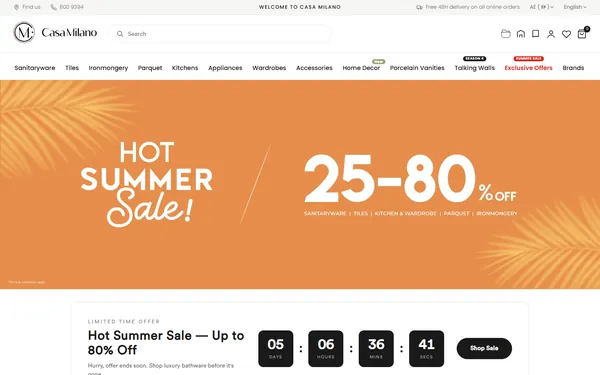
Casa Milano
A Shopify catalogue store for premium sanitaryware, tiles and kitchens, with AED pricing, quote requests and showroom bookings.
Shopify · Dubai
49 of the stores in my portfolio run on Shopify, for fragrance, footwear, beauty, fashion and electronics brands in the UK, USA, Canada, Australia and the UAE. I work from Dubai, with clients here and remotely.
Most Shopify problems are not about the theme. They are about a catalogue that is hard to browse, apps that slow the store down, and integrations that break quietly. I build stores that stay fast and easy for your team to run.
What I build
Store builds and theme work with a clean catalogue, fast product pages and a checkout that gets out of the way.
Moves from WooCommerce, Magento or custom platforms with redirects, structured data and tracking carried over.
Email and SMS, reviews, search, payments and buy-now-pay-later, and ERP or inventory sync, connected properly.
App clean-ups, image and script fixes, and product page improvements that make the store faster to use.
AED pricing, multi-currency and delivery options for selling in the UAE and abroad.
Changes, new sections and seasonal campaigns after launch, handled by the person who built the store.
Brands that sell online and need a store their team can run without calling a developer for every change. That includes founders launching a first Shopify store, retailers moving from WooCommerce or Magento, and established brands that already sell well but have a slow, app-heavy store.
Most of my Shopify clients are outside the UAE, in the UK, USA, Canada and Australia, so I am used to working remotely across time zones. If you are in Dubai or elsewhere in the UAE, we can also meet in person. You can see the stores I have built on the projects page.
There are two costs: the Shopify subscription and the build. On the UAE pricing page, Shopify plans start at about USD 29 a month for Basic (billed yearly), USD 83 for Grow and USD 359 for Advanced, with Shopify Plus starting around USD 2,300 a month. Card fees start from about 2.9% plus AED 1 per order on Basic and go down on the higher plans. Shopify changes these, so check its pricing page before you decide.
The build depends on the number of products, the design work, and how many systems the store has to talk to. My projects start from USD 1,000 (about AED 3,670) for a clean theme setup. A custom design with migration and integrations costs more. I give a fixed quote once I know the scope. For the full breakdown with market ranges, read how much an e-commerce website costs in Dubai.
Shopify works in the UAE, and Shopify Payments can take card payments in AED. A store that sells here usually also needs buy-now-pay-later options such as Tabby or Tamara, prices shown in AED with VAT handled correctly at 5%, and local shipping rates set up for each emirate.
If you sell across the GCC, Shopify Markets lets you show local currencies and set different prices per country. Arabic content and right-to-left layout need a theme that supports them properly. I check this before we choose a theme, not after launch.
A Shopify agency in Dubai gives you a team: a project manager, designers and developers. That suits large Shopify Plus builds with many stakeholders. Working with me directly, you talk to the person who writes the code, decisions are faster, and you do not pay for agency overhead.
For a new store, a migration or ongoing improvements to an existing store, one experienced developer is often the better fit. For very large builds, I will tell you honestly if you need a bigger team.
FAQ
My Shopify projects start from USD 1,000 (about AED 3,670) for a theme setup. Custom design, migrations and integrations cost more, and I quote a fixed price once the scope is clear. You also pay Shopify's monthly plan, from about USD 29 a month on Basic billed yearly.
Yes. You can run a Shopify store from the UAE, accept card payments in AED, and add buy-now-pay-later options such as Tabby and Tamara through their apps.
Yes. I map every old URL to its new one with 301 redirects, carry over titles, descriptions and structured data, and keep your analytics tracking in place, so search rankings and reporting are not reset by the move.
In most cases, yes. I connect Shopify to ERP, inventory and email tools through existing apps where they are reliable, or through a custom integration using the Shopify API where they are not.
Yes. Most of my Shopify clients are in the UK, USA, Canada and Australia. I work remotely with them and keep regular updates on a shared board and calls.
Most new stores start on Basic or Grow. Grow adds more staff accounts and lower card fees. Advanced makes sense when you need third-party calculated shipping rates or more staff, and Plus is for high-volume brands. I can help you pick based on your orders and team size.
Proof
A Shopify catalogue store for premium sanitaryware, tiles and kitchens, with AED pricing, quote requests and showroom bookings.
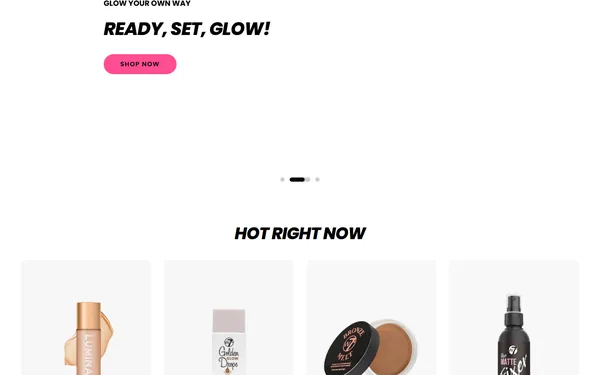
I built W7's direct-to-consumer Shopify store with UK and US markets, bundles, a rewards programme and Rebuy recommendations.
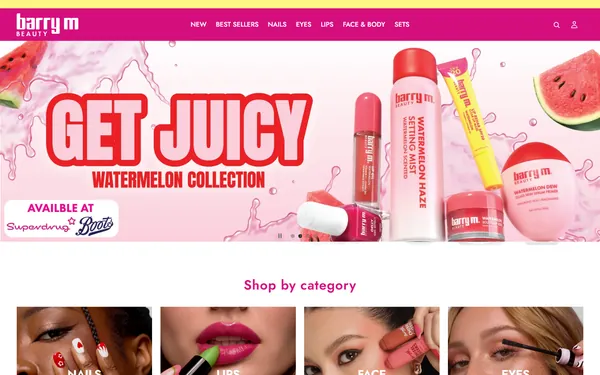
I built the Barry M Shopify store with collection-led mega menus for nails, eyes, lips and face, plus fast predictive search.
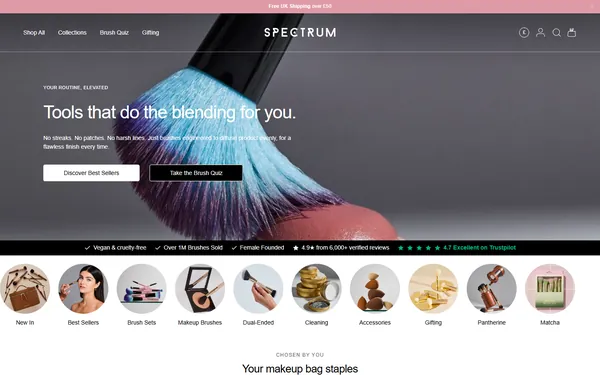
I built Spectrum Collections' Shopify store with a brush quiz, curated brush sets, location-based store switching and Klarna.
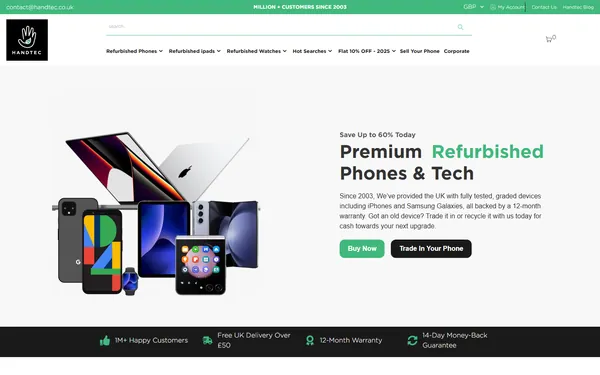
I built a Shopify store for a UK retailer of new and refurbished phones, tablets and smartwatches.
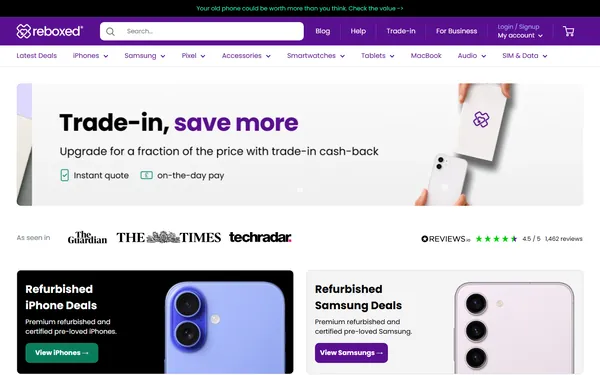
I built a Shopify store for refurbished phones with condition grades, monthly pricing and a built-in trade-in valuation.
How it works
A short call or WhatsApp chat about your business, the problem and what success looks like.
Scope, platform and timeline agreed in writing before any build starts.
Working progress you can see and test as it is built, not only at the end.
A careful launch with redirects, tracking and structured data checked.
Changes and improvements after launch from the person who built it.
Have a project in mind?
A new store, a re-platform, or a CRM your team will actually use. Tell me what's stuck and I'll reply on WhatsApp.