Building a Real Estate CRM in Dubai: 7 Lessons From Oro24
In 2022 I joined Oro24, a new real estate developer in Dubai, as its first tech hire. There was no roadmap and no existing system. Over the next few years we built a CRM that now runs most of the business, from the first enquiry to the keys being handed over and beyond.
I have shared pieces of that journey in short posts. This article brings them together into the lessons I would give anyone building or buying a real estate CRM in Dubai.
1. Start with the core: inventory, brokers and commissions
A developer's CRM has to answer three questions before anything else. What units do we have and what state are they in? Which brokers are selling them? Who is owed what commission?
We built those three modules first: inventory, brokerage and commissions. Everything else, from marketing to customer care, depends on that data being right. If unit status lives in one spreadsheet and commissions in another, every report becomes an argument.
2. Onboard broker partners in days, not weeks
For a Dubai developer, broker partners are a key sales channel, so how quickly you can sign them up matters. Onboarding one broker partner used to take us four weeks or more, with documents passed around by email.
Moving it into the system changed that. RERA licence details are checked as part of the application, duplicate applications are flagged even when the company name is slightly different, and each approval goes straight to the right person. Onboarding now takes days.
More in 4 Weeks to Onboard One Broker Partner.
3. Take broker agreements out of the inbox
Agreements that live in email threads expire quietly and hide clauses nobody remembers. Generating them from templates in the CRM, tracking their status and alerting the team before they expire means renewals no longer depend on someone remembering to check.
More in Broker Agreements Used to Live in Inbox Chaos.
4. Capture every EOI in one place
An expression of interest (EOI) is often the first real sign a buyer is serious. When EOIs arrive through website forms, chats, events and referrals, and get copied into a spreadsheet by hand, some are always lost.
The fix is to capture every EOI straight into the CRM, whatever the source, then score and route it so the right agent follows up quickly. A lead that waits a week is usually a lead someone else has already called.
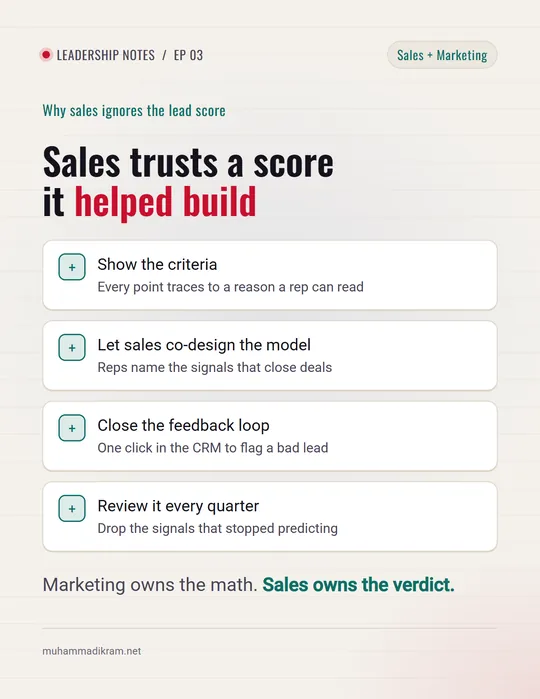
More in Your EOI Just Got Smarter Than Your Sales Team and Your Lead Score Is Useless If Sales Won't Trust It.
5. Plan for handover, not just sales
Most real estate CRMs stop at the sale. For a developer, the hardest part comes later. When our Torino project reached handover, the system had to grow fast: contractors and subcontractors, customer care, snagging and defect reports, automated appointment booking, documents and home orientations, and finally key handover.
After handover came another phase: leasing, community management, tenant and landlord workflows, and a mobile app where residents report issues and track them to resolution. If you are choosing a CRM, ask how it handles the years after the sale, not just the months before it.
More in Joined Oro24 as the First Tech Hire.
6. Fix the process before you automate it
Automating a broken process just produces the same mess faster. Before building any workflow, follow one real request from start to finish. Note every signature, every re-typed field and every wait. Then ask each approver when they last rejected one. If the answer is never, that step can probably go.
Get permissions right at the same time. In a real estate platform, who can see buyer details, change prices or approve commissions is not an IT detail. Giving everyone admin access is how data leaks and expensive mistakes happen.
More in Map the Process Before You Automate and Give Everyone Admin Access, They Said.
7. Go-live is day one
A CRM is only useful if people work through it, not around it. After launch, watch for warning signs: shadow spreadsheets, reports shared on WhatsApp and data that nobody owns. Each one means the system is missing something the team needs. Fix that gap instead of blaming the team.
The same habits keep a business running when things go wrong. When offices closed during the pandemic, the teams that kept closing deals were the ones that had built their systems before they needed them.
More in Go-Live Is Day One, Not the Finish Line and The Office Closed. The Deals Kept Closing.
The short version
- Get inventory, brokers and commissions right first.
- Move broker onboarding, agreements and EOIs out of email.
- Design for handover and after-sales, not just the sale.
- Fix the process and the permissions before you automate.
- Treat launch as the start, and keep removing reasons to work around the system.
I build real estate CRM systems for developers and brokerages in Dubai. See my real estate CRM service, read more CRM case studies, or get in touch.